The short answer: ElevenLabs is an AI voice generation platform that turns written text into lifelike speech. Founded in 2022, it combines text-to-speech, voice cloning, AI dubbing, and conversational voice agents into one suite used by creators, developers, and enterprises. Its flagship Eleven v3 model supports 70+ languages and lets you direct emotional delivery with simple audio tags like [whispers] or [shouts]. The platform offers a free tier, and you can generate your first AI voice in minutes. In this guide, we break down elevenlabs ai voice generation in plain English — what it is, how it works, and how to use it.
Definition: ElevenLabs is an AI research company that builds natural-sounding speech synthesis software using deep learning. It lets anyone convert text into realistic speech, clone real voices from audio samples, dub videos into dozens of languages, and deploy real-time conversational voice agents.
Elevenlabs AI Voice Generation: What is ElevenLabs?
ElevenLabs Inc. is a private software company specializing in AI speech synthesis, founded in 2022 by Polish engineers Piotr Dąbkowski, a former Google machine learning engineer, and Mati Staniszewski, a former Palantir deployment strategist. The company is headquartered in London and New York City, with offices in Warsaw and San Francisco.
The origin story is unusual: the founders were inspired by watching poorly dubbed American films, where a single monotone Polish narrator flattened the original performances. They set out to fix that with AI. Even the company name nods to Poland — “Eleven” refers to November 11, Poland’s National Independence Day.
What started as a breakthrough text-to-speech demo has grown into a full audio platform. In February 2026, the company closed a $500 million Series D funding round at an $11 billion valuation, and reports put its annual recurring revenue above $500 million — a sign that AI voice has moved from novelty to infrastructure.
How does ElevenLabs work?
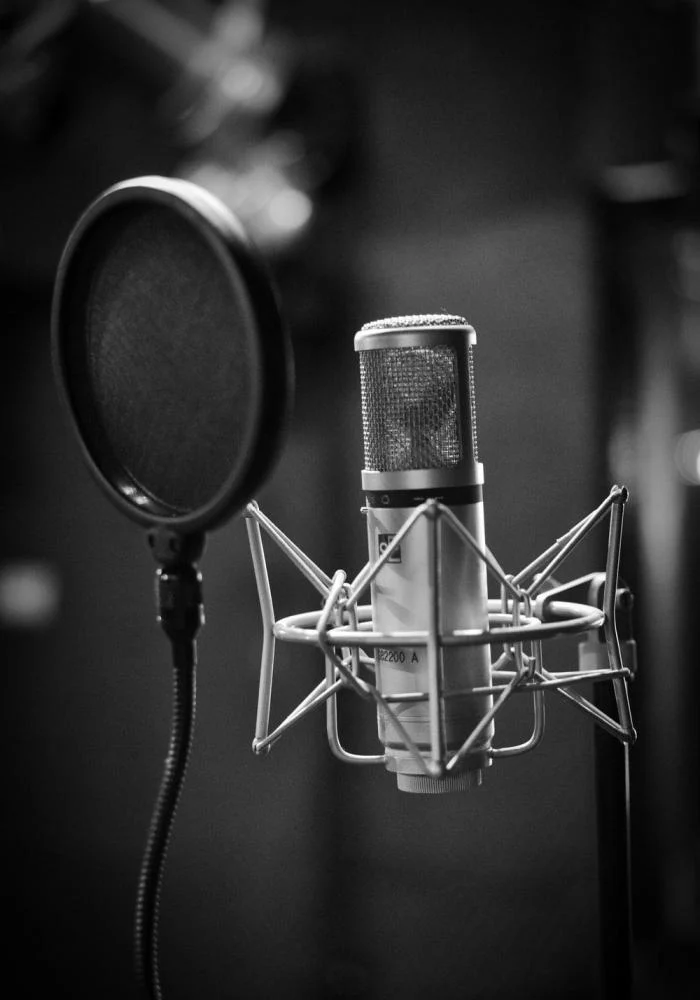
At its core, ElevenLabs uses deep learning models trained on vast amounts of human speech to learn how people talk — not just words, but intonation, pacing, pauses, emotion, and even breathing patterns. When you type text, the model doesn’t just “read” it; it performs it.
Three things make the output sound human:
- Contextual awareness: The AI understands sentence structure and punctuation, so a question naturally rises in pitch and an exclamation lands with energy.
- Expressive control: Audio tags let you direct the performance directly in your script.
- Speaker identity: Cloning and voice design capture a voice’s timbre and accent so it stays consistent across every generation.
You interact through a web studio (paste text, pick a voice, generate audio), or through the developer API if you’re building an app.
What can you do with ElevenLabs?
By 2026, ElevenLabs has organized its platform into three pillars: ElevenAgents (conversational AI agents), ElevenCreative (a studio for speech, music, and sound effects), and ElevenAPI (the developer layer). Here are the headline features:
Text-to-speech
The original feature and still the most-used one. Paste a script, choose from hundreds of pre-made voices or the community Voice Library, and download studio-quality narration — popular for audiobooks, courses, podcasts, and YouTube videos.
Voice cloning
Upload an audio sample and create a synthetic version of that voice. Instant Voice Cloning produces a working clone from a short sample in minutes, while Professional Voice Cloning uses longer recordings for near-perfect replicas and is available on Creator plans and above. Podcasters and founders use it to “record” content without a microphone; people with speech-loss conditions like ALS use it to preserve their voice.
AI dubbing
The feature the company was born for. Upload a video and ElevenLabs translates and re-voices it into dozens of languages — while preserving the original speaker’s voice identity and emotional performance. That means your YouTube channel can speak to global audiences in your own voice.
Conversational AI agents
Low-latency voice agents that handle real-time dialogue for customer support, sales, and booking. Companies like Deutsche Telekom and Klarna use them for large call volumes, with agents that can take actions mid-conversation — checking a CRM or processing a refund — through tool calls. Developers embedding agents alongside workflow automation may also want to explore What Is n8n? Open-Source Automation Explained for orchestration.
Music, sound effects, and transcription
Beyond speech, the suite includes Eleven Music (full vocal and instrumental tracks), a text-to-sound-effects generator (“rain on a tin roof” becomes audio), Scribe for real-time speech-to-text transcription, and a Voice Changer that maps your recorded performance onto another voice.
Which ElevenLabs model should you use?
ElevenLabs ships specialized models for different jobs:
| Model | Best for | Key facts |
|---|---|---|
| Eleven v3 | Narration, audiobooks, storytelling | Flagship model; 70+ languages; audio tags like [whispers], [sighs], [shouts] direct emotional delivery |
| Eleven Flash v2.5 | Real-time voice agents | Optimized for speed at ~75ms latency — critical when a bot must respond naturally in conversation |
| Text-to-Dialogue | Multi-speaker scenes | Generates entire conversations with natural overlaps and interruptions in a single audio file |
In short: choose v3 for performance, Flash v2.5 for live agents, and Text-to-Dialogue when your script has more than one speaker.
Is ElevenLabs free? What does it cost?
ElevenLabs uses a credit-based pricing system built around characters of text converted to audio. A free tier exists — third-party 2026 guides place it around 10,000 characters per month, enough to experiment — with paid plans for creators, teams, and enterprises scaling up character limits and unlocking features like Professional Voice Cloning and commercial usage rights. If you’re comparing free options across categories, see our guide to Best Free AI Tools for Students in 2026.
How do you get started with ElevenLabs?
- Create a free account at elevenlabs.io.
- Open the text-to-speech studio and browse the Voice Library — filter by use case (narration, conversational, advertising) to hear samples.
- Paste your script. Add audio tags like [excited] or [pause] where you want directed delivery.
- Pick a model. Start with Eleven v3 for the most natural narration.
- Generate, listen, and regenerate lines you don’t like — small tweaks to punctuation change the delivery.
- Clone your voice (optional). Record a clean sample following the on-screen prompts to create your own Instant Voice Clone.
Who uses ElevenLabs?
Beyond individual creators, the technology is embedded across industries. Media companies dub content globally, game studios power dynamic non-player characters with live dialogue, education platforms like MasterClass offer voice-based instructor Q&A, and enterprises run 24/7 multilingual support agents. The company also works with partners including Meta, Chess.com, and Twilio.
Is ElevenLabs safe to use?
Voice cloning raises real misuse risks — scams, impersonation, fake audio. ElevenLabs has responded with account verification and consent safeguards for cloning, and it publishes an AI Speech Classifier that lets anyone check whether audio was generated on its platform. The rule for beginners is simple: only clone voices you own or have explicit permission to use. Creators curious about AI beyond audio can compare other categories in AI Spreadsheet Tools: What Shortcut AI Does for Excel.
Frequently asked questions
Is ElevenLabs free to use?
Yes. ElevenLabs offers a free tier (third-party 2026 guides put it around 10,000 characters per month) with paid creator and business plans billed on character credits.
What is the difference between Instant and Professional Voice Cloning?
Instant Voice Cloning creates a usable voice from a short audio sample in minutes. Professional Voice Cloning uses longer recordings for near-perfect replicas and is gated to Creator plans and above.
How many languages does ElevenLabs support?
The flagship Eleven v3 model supports 70+ languages for text-to-speech, and the AI Dubbing Studio localizes video into many languages while preserving the speaker’s voice identity.
What are audio tags in ElevenLabs?
Audio tags are bracketed commands like [whispers], [sighs], or [shouts] you type into your script. The model follows them to direct emotional delivery with cinematic precision.
Is it legal to clone someone’s voice with ElevenLabs?
Only clone voices you own or have explicit permission to use. ElevenLabs added safeguards (account verification, consent checks) after early misuse, and its AI Speech Classifier lets anyone check whether audio was generated on its platform.
Who owns the voice I create on ElevenLabs?
You can publish cloned voices to the Voice Library marketplace, where creators can earn from usage. Paid plans grant commercial usage rights, so check the plan terms before monetizing content.
The bottom line
ElevenLabs turned text-to-speech from a robotic utility into a creative instrument — one that performs, directs, dubs, and even holds live conversations. For beginners, the free tier is the fastest way to hear what modern AI voice can do. Just bring your script, respect other people’s voices, and let the audio tags do the acting.
Developers, designers and marketers who build websites, software, apps and automations for businesses worldwide. Our editorial policy