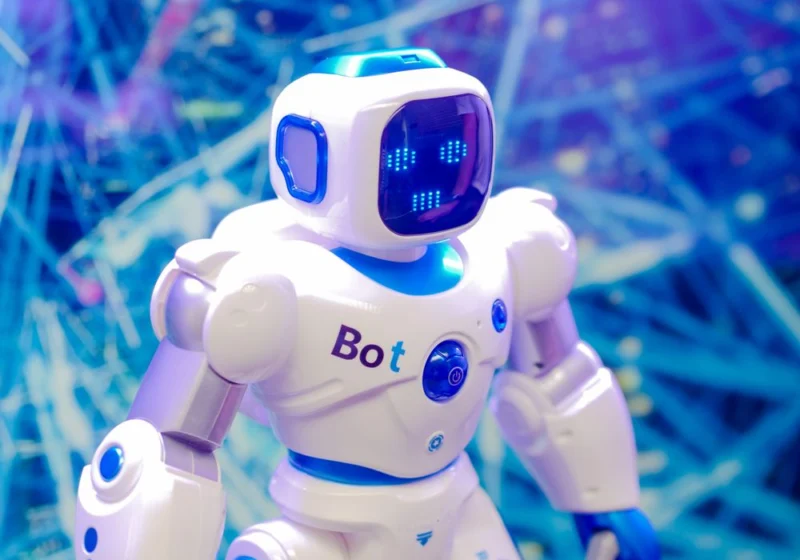
Meta Muse Wonder Explained: AI That Actually Remembers You
Meta's first frontier AI, Muse Wonder, has Active Memory — recalling your details across chats. How it works, MemoryBench scores, and what it means for you.
Insights
Meta's first frontier AI, Muse Wonder, has Active Memory — recalling your details across chats. How it works, MemoryBench scores, and what it means for you.
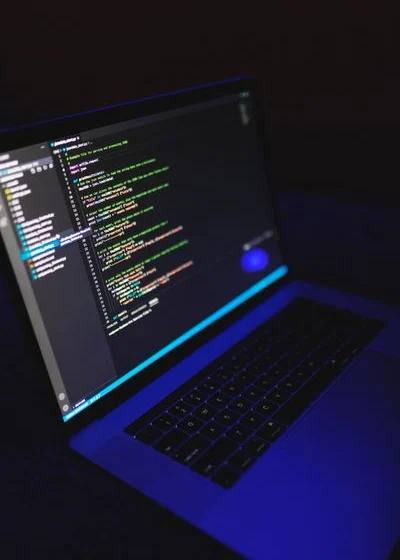
Local AI models like Ollama and Microsoft's MAI-Code-1.1-Flash let you run AI on your own laptop — no cloud, no fees, total privacy. A beginner's guide.
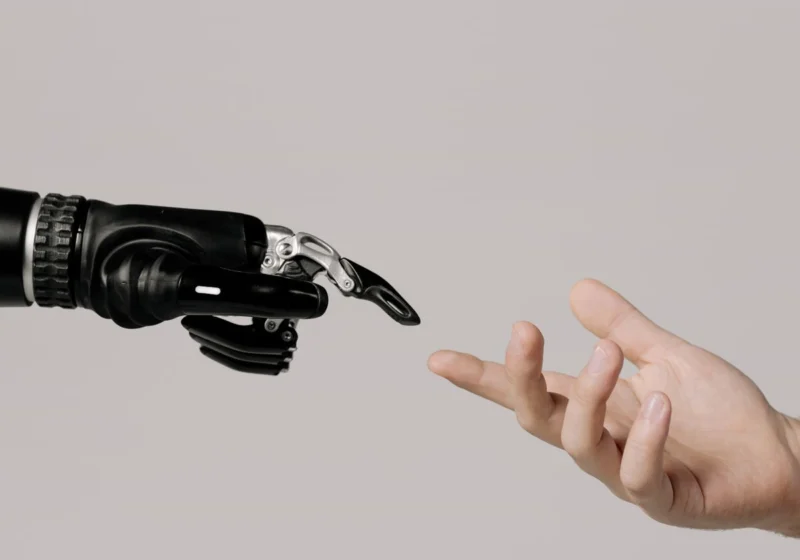
Picking an LLM is about fit, not fame. Learn how to match models to your task, budget, and privacy needs — with 2026 prices and a 5-step selection framework.

How small businesses use AI agents for support, follow-up and scheduling in 2026 — real tools, pricing, and a four-step starter plan for business owners.
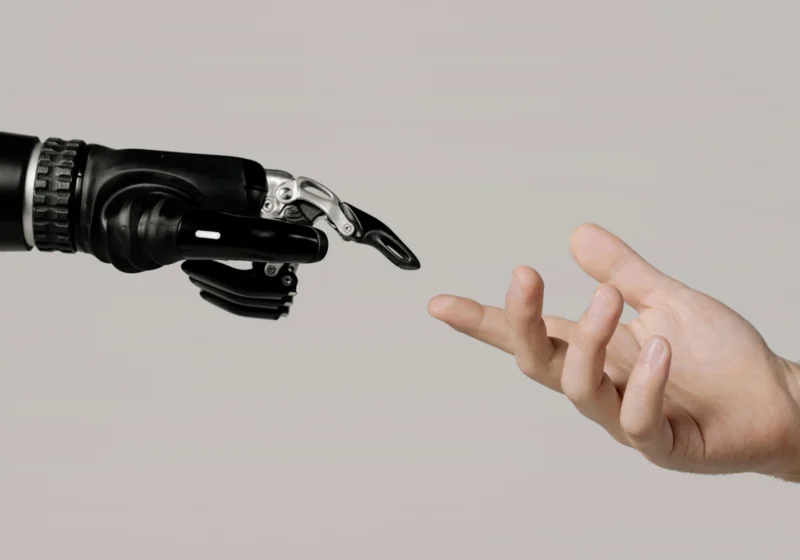
Enterprise AI guardrails keep AI safe and compliant. Learn how companies govern AI in 2026 - prompt-injection defenses, NIST, OWASP, and EU AI Act deadlines.

Perplexity and Google AI Overviews answer questions directly instead of listing links. Here's how AI search reads the live web and writes cited answers.
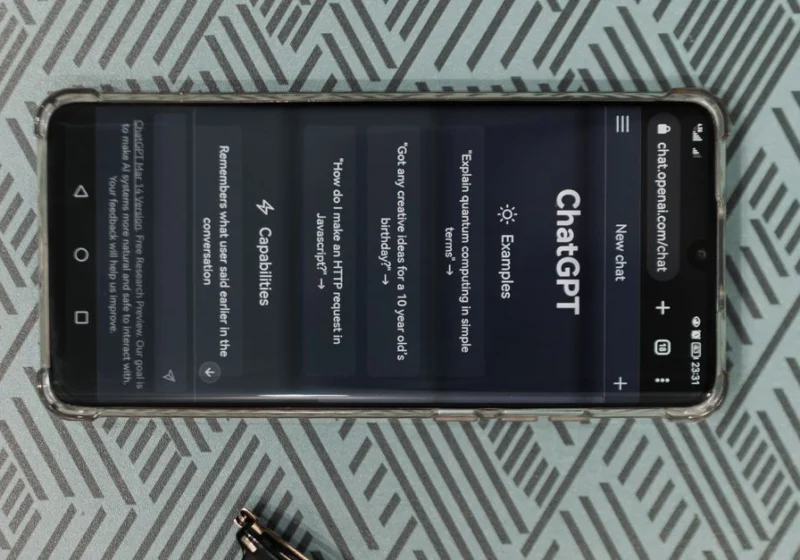
GPT-6 is now free in ChatGPT, Claude's Sonnet 5.5 is faster and cheaper per task, and Gemini 4 Argon isn't available to everyone yet. Which AI should you use?
AI voice cloning can copy a voice from seconds of audio. Learn how it works, the real scam risks, and practical ways to spot a fake voice before you act.

AI pricing is billed in tokens, not minutes. What tokens cost on GPT, Claude and Gemini, how plan tiers compare, and when Ultrafast is worth the premium.

AI subscription tiers explained: what you really get from Free, Plus (~$20), Pro (~$100-200) and Ultra (~$250) plans — and a simple guide to picking yours.
Tell us what you're trying to build, improve or automate. Our team can help turn your idea into a practical digital solution.